



This article is the third in a series regarding the upcoming changes to the workplace laws.
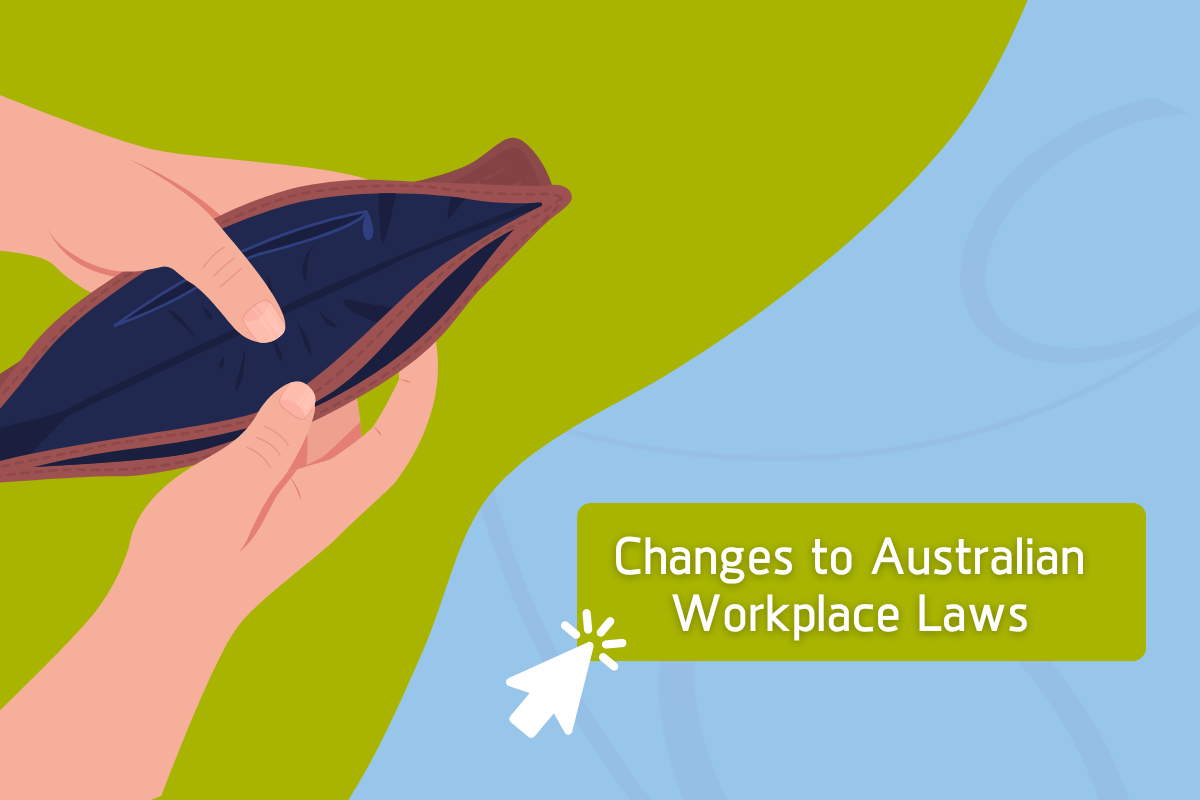
Starting from 1 January 2025, new workplace laws will make it an offence for employers to knowingly underpay their employees.
What is ‘wage theft’?
‘Wage theft’ refers to when an employer intentionally underpays their employees or doesn't pay their superannuation. Intentional underpayments happens when an employer deliberately fails to pay an employee the amounts owed to an employee by the scheduled payment date.
From 1 January 2025, the wage theft offence will apply to the intentional underpayment of entitlements under the Fair Work Act, modern awards, or enterprise agreements. This can also include a failure to make required superannuation contributions. It will not apply to arising under a contract of employment.
These new federal laws will replace the existing wage theft laws in Victoria. Under the new federal wage theft laws, criminal wage theft will result in significant penalties (up to $7.825 million for large organisations), up to $1.565 million for an individual, and a maximum of 10 years in prison. The Fair Work Ombudsman will handle investigations into suspected wage theft.
What about small business employers?
A Voluntary Small Business Wage Compliance Code (Voluntary Code) is being developed, which means a small business won’t be criminally prosecuted if they unintentionally underpay their employees. The Fair Work Ombudsman will share more information about how this code works when it's available.
What if I unintentionally underpay my employees?
Most employers do not deliberately underpay their employees, so they won't be affected by these new laws. However, if you realise you've underpaid someone by mistake, it is important to act on it promptly. Even if it was unintentional, the Fair Work Ombudsman, an employee, or a union could still take action to recover unpaid wages.
If you receive a letter or notice about underpayment from a union, an employee, or the Fair Work Ombudsman, contact ELAA immediately. We can guide you on what steps to take next.
If you’re concerned that you may have unintentionally underpaid your employees, you can also proactively report this to the Fair Work Ombudsman.
What can you do to stay compliant and how to navigate these matters effectively:
ELAA members can take these practical steps to ensure your compliance:
- Keep up-to-da(...)